Every project involves competing priorities. Design intent, cost, schedule, and the realities of construction don’t always agree. Experience helps you see the choices clearly—and understand what each decision will mean further down the road.
01
Recognize problems early.
The Value of Experience Is the Judgment to Recognize Potential Problems Before They Become Costly Problems.
An unresolved detail on a drawing can become a field conflict, a change order, or a delay. The value of a careful review lies in knowing where to look and which questions to ask. Resolve the issue while the team still has options.
02
Make the schedule useful.
Effective Schedule Control Serves Project Stakeholders by Anticipating and Preventing Delays, Not Merely Reporting Them.
A schedule needs to reflect how the work will actually happen. Design decisions, agency approvals, utilities, procurement, and trade sequencing all have to come together. The useful conversation is about what could interrupt that sequence and what needs attention now.
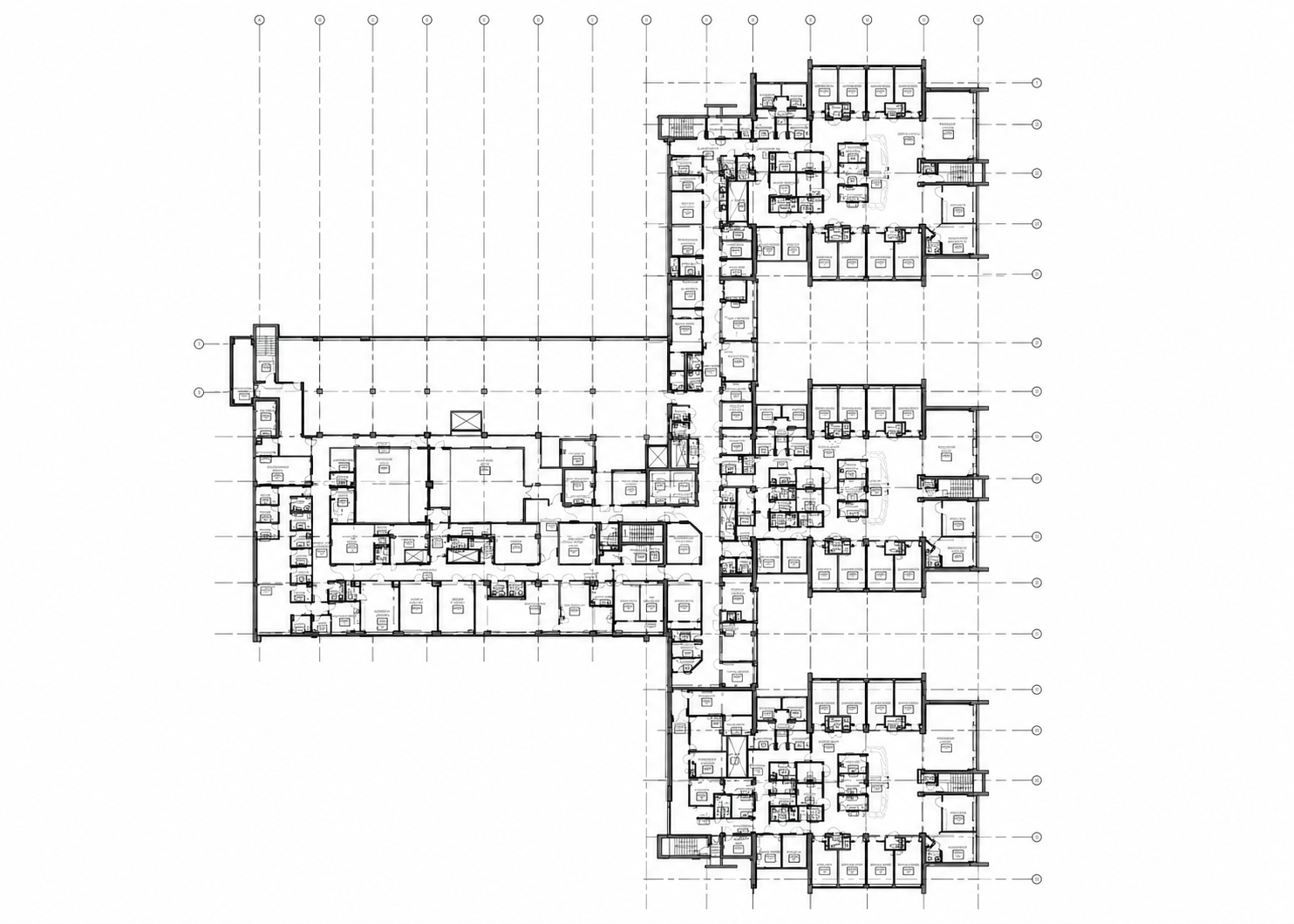
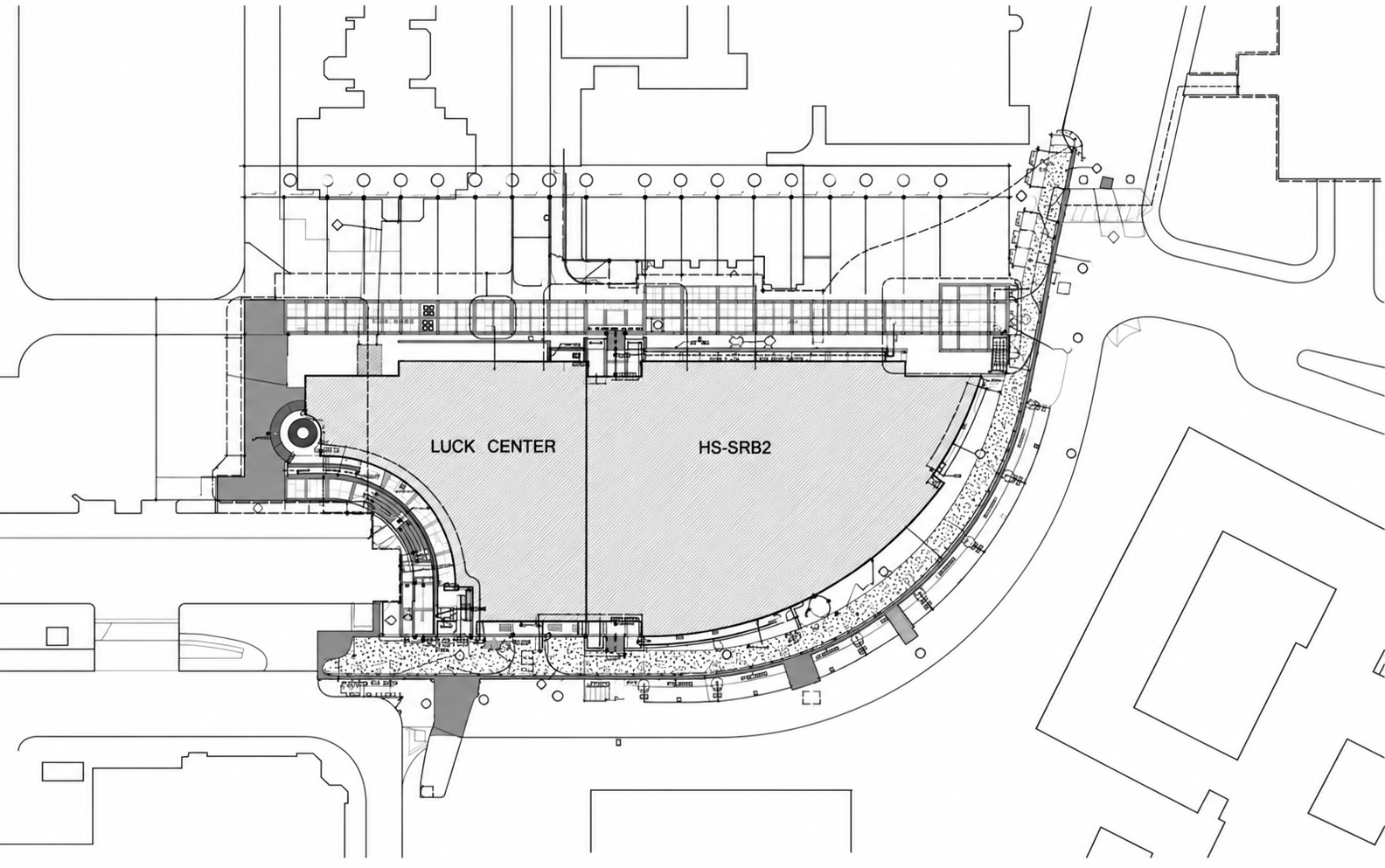
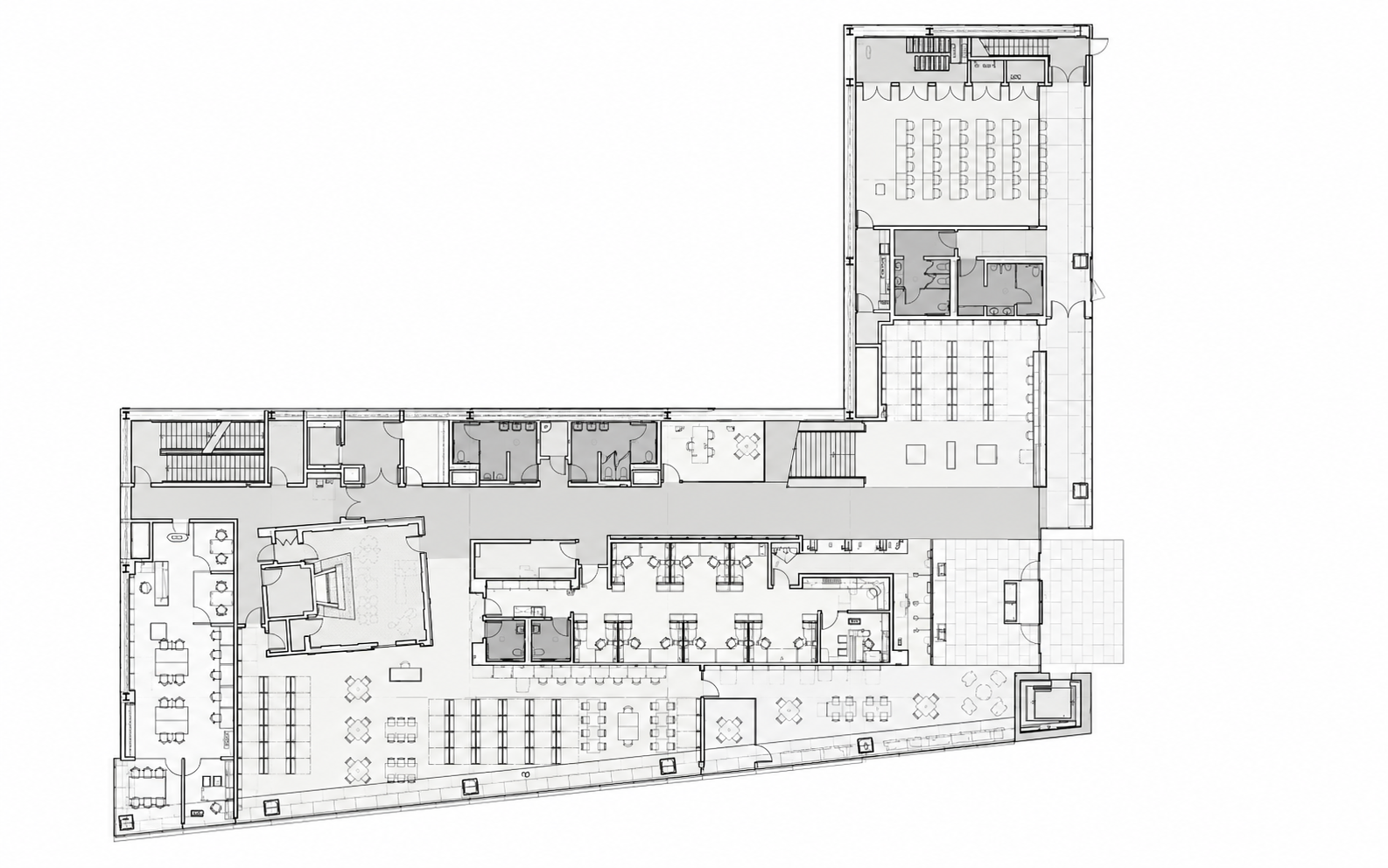
MLK Behavioral Health CenterLevel 5 · Adaptive reuseUCLA Biomedical Research ComplexSite plan · Los AngelesWest Hollywood LibraryPark-level floor plan
03
Protect what the budget can accomplish.
Budget Control Is About Preventing Unnecessary Costs, Not Just Tracking Expenditures.
Cost decisions deserve a close look at scope, performance, and long-term consequences. Sometimes a simpler solution does the job better. Sometimes spending more now prevents a larger expense later. Sound judgment means knowing the difference—and giving the owner enough information to decide.
04
Work through the change.
Changes are part of construction. Each deserves a clear explanation: what changed, why it changed, who is responsible, and what it should reasonably cost. Careful review and fair negotiation help preserve both the budget and the working relationships needed to finish the project.